State / UT
Jammu and Kashmir
Jammu and Kashmir is a Union Territory with a legislature, created on 31 October 2019 when the former state of that name was reorganised by Act of Parliament and Ladakh was carved out as a separate, legislature-less UT. It holds a 90-seat Legislative Assembly, five Lok Sabha seats and four Rajya Sabha seats, and recorded a population of 12,267,013 in the 2011 Census over the territory that now forms the UT. What makes it structurally distinctive is that it is the only unit of the Republic to have been demoted from statehood to Union Territory status, and the only legislature-holding UT whose elected government does not control police and public order — both remain with the Union through the Lieutenant Governor. Its assembly also carries 24 seats permanently kept vacant for territory under Pakistani control.
Updated
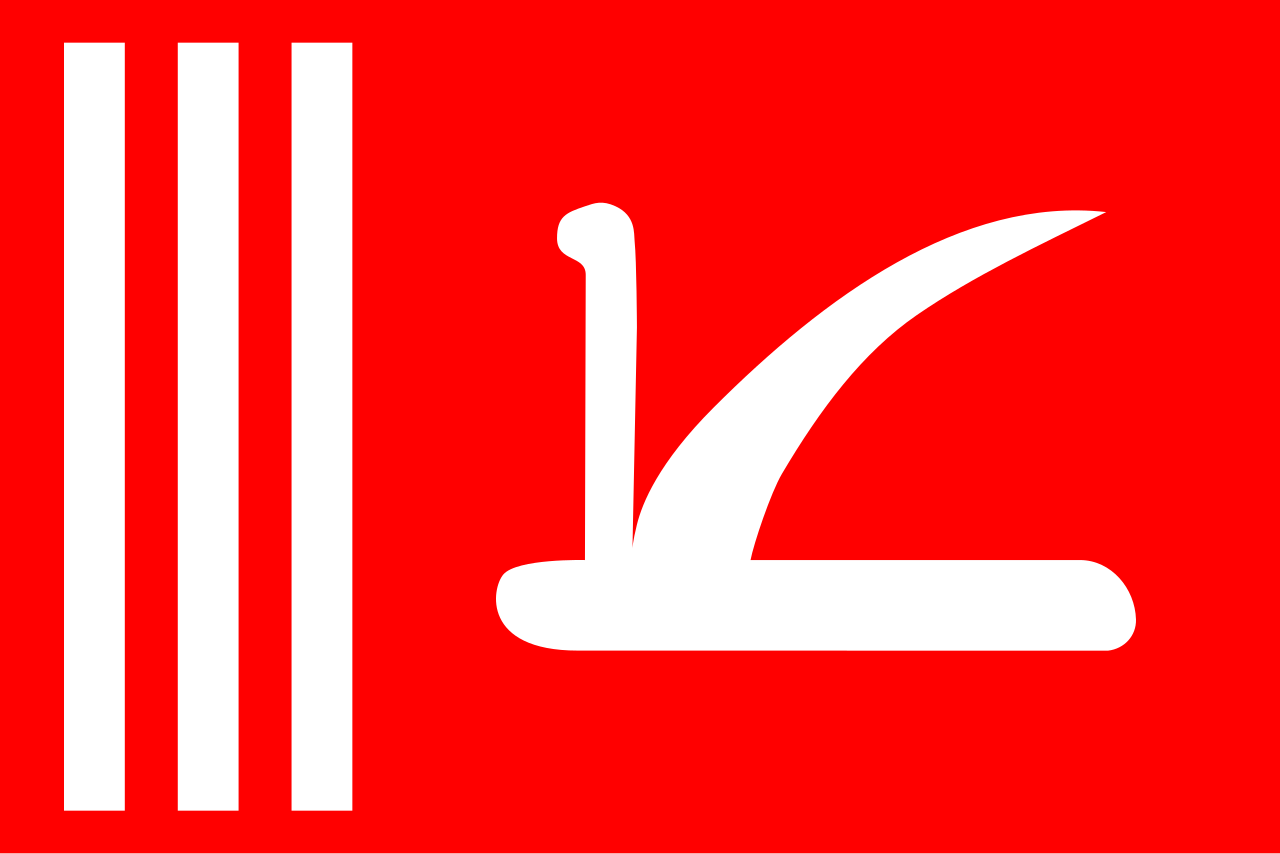
- Capital
- Srinagar (summer) and Jammu (winter)
- Formed
- 31 October 2019 as a Union Territory with legislature (former state reorganised)
- Legislature
- Unicameral; 90 elected seats plus 5 nominated members; 24 further seats kept vacant for Pakistan-occupied territory
- Lok Sabha seats
- 5
- Rajya Sabha seats
- 4
- Population (2011 Census)
- 12,267,013 in the area now forming the UT; 12,541,302 for the undivided former state including Ladakh
Role
Jammu and Kashmir sits in the federal structure as a Union Territory with a legislature — a category it shares only with Delhi and Puducherry, and one it entered by demotion rather than promotion. Its 90-member Legislative Assembly, elected for five-year terms and seated after the September–October 2024 polls, legislates on State List subjects with two conspicuous exceptions: police and public order remain with the Union, exercised through the Lieutenant Governor. Parliament retains concurrent authority to legislate for the UT on any matter at all. The practical result is a divided executive: an elected Chief Minister and council of ministers run land, revenue, agriculture and horticulture, health, education and local government, while the security apparatus, the postings of All India Services officers and a defined set of reserved subjects answer to the Union. The territory sends five members to the Lok Sabha and four to the Rajya Sabha, and its assembly carries 24 seats permanently vacant, a standing constitutional marker of the claim to territory administered by Pakistan.
What is structurally distinctive here is that the ordinary questions of Centre–state relations arrive without the ordinary constitutional answers. Article 370 and the state’s own 1957 Constitution — the machinery that once made J&K the most differentiated unit of the Republic — were displaced in August 2019 and the displacement was upheld by the Supreme Court in December 2023; the special status is gone, but full statehood has not been returned in its place, so as of 2026-07-17 the territory is governed as a UT under the 2019 Reorganisation Act. The economy is anchored in horticulture, with apple cultivation a significant share of output, alongside services, handicrafts and tourism, and it depends heavily on Union transfers rather than an own-revenue base. Administration itself is split across two capitals, Srinagar in summer and Jammu in winter, a legacy of the Darbar Move. J&K is thus the one place in the Union where the boundary between the elected state and the central state is not a matter of convention or litigation at the margins but the explicit operating design.
Desk maintained by IndiaStand editorial cycles. Officeholders are transient; this dossier tracks the institution.
Timeline since 1947
- reference
Instrument of Accession signed
The princely state of Jammu and Kashmir acceded to the Dominion of India, the act from which the territory's constitutional relationship with the Union derives and around which its subsequent special status was built.
- reference
The state's own Constitution came into force
Jammu and Kashmir was the only unit of the Republic to operate under a separate state constitution, alongside Article 370's framework limiting the application of the Indian Constitution to the state. Both were displaced in 2019.
- reference
Article 370 rendered inoperative by presidential order
C.O. 272 superseded the 1954 application order and extended the whole Constitution to the state; C.O. 273, issued 6 August 2019, declared Article 370 inoperative. Consent was recorded through the Governor, the assembly being under suspension.
- reference
Jammu and Kashmir Reorganisation Act receives assent
Parliament split the state into two Union Territories, abolished the Legislative Council, and reserved police and public order to the Union while leaving other State List subjects with the new assembly. Parliament retained power to legislate for the UT on any matter.
- reference
Appointed day: statehood ends, two UTs begin
Jammu and Kashmir became a Union Territory with a legislature; Ladakh became a Union Territory without one. Of the former state's six Lok Sabha seats, five remained with J&K and one went to Ladakh.
- reference
Delimitation Commission's final order restructures the assembly
The commission constituted on 6 March 2020 fixed 90 elected seats — 43 for the Jammu division and 47 for the Kashmir division — with 7 reserved for Scheduled Castes and 9 for Scheduled Tribes, the first ST reservation in the territory's assembly.
- reference
Supreme Court upholds the abrogation and directs elections
A five-judge bench unanimously held Article 370 to be a temporary provision the President could render inoperative, and directed that assembly elections be held by 30 September 2024, recording the Union's statement that statehood would be restored.
- reference
First assembly since 2014 elected
Polling across three phases from 18 September to 1 October 2024 returned a 90-member assembly on 63.88% turnout. Government formation followed on 16 October 2024, ending more than six years of central rule that began with the collapse of the last state government in 2018.
- official
Bye-elections held to Budgam and Nagrota assembly constituencies
The Chief Electoral Officer conducted bye-elections to 27-Budgam and 77-Nagrota, the first mid-term polls of the UT's elected assembly.
Frequently asked
- What is Jammu and Kashmir?
- Jammu and Kashmir is a Union Territory with a legislature, created on 31 October 2019 when the former state of that name was reorganised by Act of Parliament and Ladakh was carved out as a separate, legislature-less UT. It holds a 90-seat Legislative Assembly, five Lok Sabha seats and four Rajya Sabha seats, and recorded a population of 12,267,013 in the 2011 Census over the territory that now forms the UT. What makes it structurally distinctive is that it is the only unit of the Republic to have been demoted from statehood to Union Territory status, and the only legislature-holding UT whose elected government does not control police and public order — both remain with the Union through the Lieutenant Governor. Its assembly also carries 24 seats permanently kept vacant for territory under Pakistani control.
- When was Jammu and Kashmir established?
- Jammu and Kashmir was established 2019-10-31.
- What does Jammu and Kashmir do?
- Its remit covers State List subjects other than police and public order: land and revenue, agriculture and horticulture, health, education, power distribution, local government and rural development, Concurrent List subjects as applicable to the Union Territory, subject to Parliament's overriding power to legislate for J&K on any matter, A 90-member Legislative Assembly, with police, public order and All-India-Services postings reserved to the Lieutenant Governor acting for the Union, Dual-capital administration between Srinagar and Jammu, An assembly whose sanctioned strength includes 24 seats held vacant for territory under Pakistani occupation.
- What is the latest on Jammu and Kashmir?
- As of 2026-07-17: Bye-elections held to Budgam and Nagrota assembly constituencies. The Chief Electoral Officer conducted bye-elections to 27-Budgam and 77-Nagrota, the first mid-term polls of the UT's elected assembly.
Official sources
The government's own pages for this institution — go straight to the primary.
-
The UT administration's official portal; departments, orders and citizen services.
jk.gov.in/
-
Electoral rolls, delimitation orders, assembly and bye-election notifications for the UT.
ceojk.nic.in/
-
The UT's statistical directorate; digest of statistics and economic survey material.
ecostatjk.nic.in/
-
Independent summary of the Act that created the UT, including the division of legislative powers.
prsindia.org/billtrack/the-jammu-and-kashmir-reorganisation-
-
Comparable state and UT series on domestic product, fiscal position and social indicators.
www.rbi.org.in/Scripts/AnnualPublications.aspx?head=Handbook